
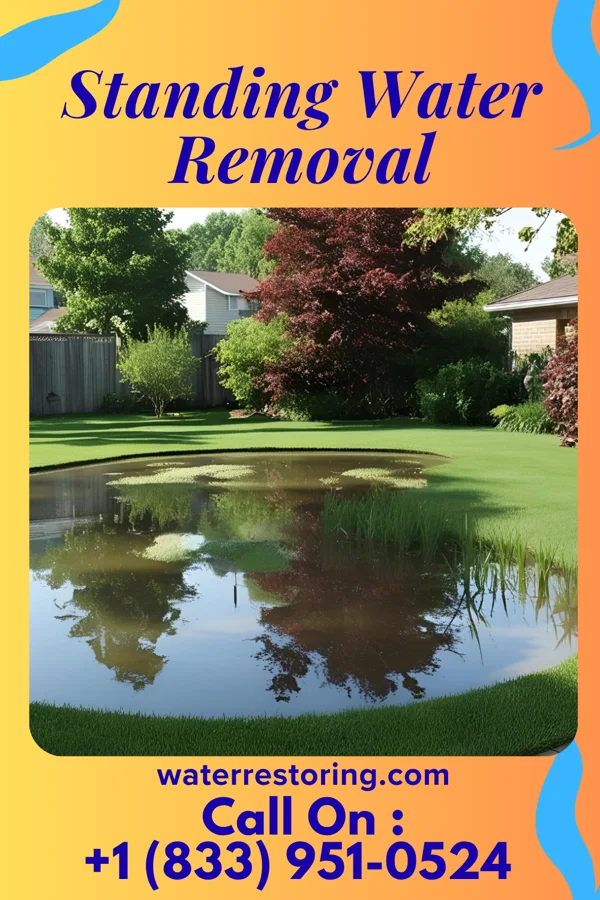
What Makes Stock Island Standing-Water-Prone
Living in Stock Island means dealing with Stock Island, Florida, is prone to water damage due to its low-lying terrain and frequent tropical storms, which can lead to flooding in residential and commercial properties. The island's proximity to the ocean and its vulnerability to high tides and storm surges make water intrusion a common issue, especially during hurricane season. sooner or later. A close second is Secondary causes include plumbing leaks from aging infrastructure, groundwater seepage through porous soil, and improper drainage systems in older homes. Additionally, the island's unique geography and frequent heavy rainfall contribute to persistent standing water in low-lying areas.. The good news: water damage is fully recoverable when you catch it fast and bring in certified technicians.
Stock Island's tropical climate brings high humidity and frequent heavy rainfall, increasing the risk of water damage. The island's location in the Florida Keys also exposes it to storm surges and rising sea levels, which can lead to long-term moisture issues and structural damage.
Most standing water removal calls in Stock Island come from Stock Island, Florida, is prone to water damage due to its low-lying terrain and frequent tropical storms, which can lead to flooding in residential and commercial properties. The island's proximity to the ocean and its vulnerability to high tides and storm surges make water intrusion a common issue, especially during hurricane season.. Running a close second is Secondary causes include plumbing leaks from aging infrastructure, groundwater seepage through porous soil, and improper drainage systems in older homes. Additionally, the island's unique geography and frequent heavy rainfall contribute to persistent standing water in low-lying areas.. Local mold risk: Mold growth can occur rapidly in Stock Island's humid climate, making prompt water damage response critical. Due to the island's warm and moist environment, mold can develop within 24–48 hours, posing health risks and accelerating structural decay.